Samsung Galaxy S26 Ultra Review: The Complete Verdict
Samsung Galaxy S26 Ultra review: Snapdragon 8 Elite, 200MP camera, S Pen, battery life, and India pricing verdict.
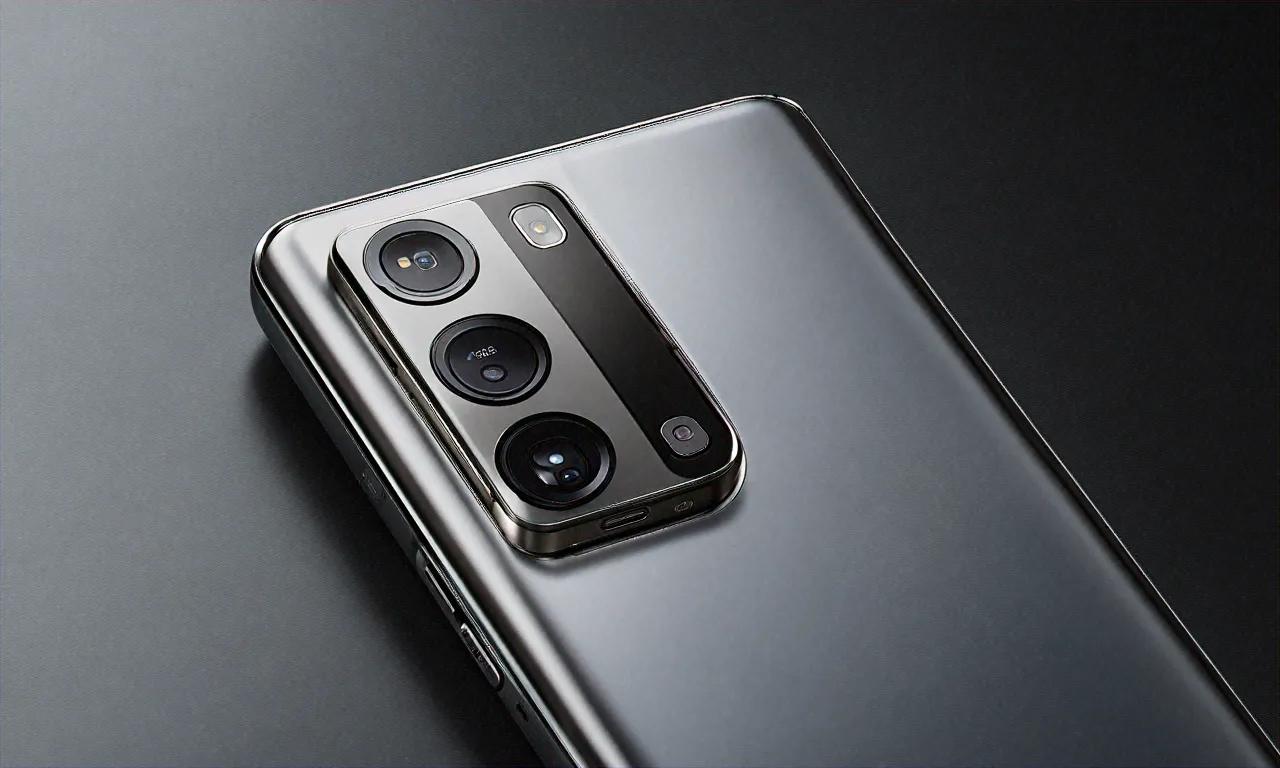
You feel the titanium before you see it. Pulling the Galaxy S26 Ultra out of the box, the first thing that registers isn't the screen size or the camera bump — it's how noticeably thinner this thing is compared to last year. Samsung shaved off about 0.4mm, which sounds trivial until it actually changes how the phone sits in your hand. Rounded corners this time too. They clearly heard the complaints about S24 Ultra's sharp edges digging into palms during long sessions.
Inside the box: the phone, a USB-C cable, SIM ejector tool, some documentation. No charger, no earbuds — standard flagship packaging in 2026. Samsung assumes you already own a compatible charger. Most people do at this point.
I've been using this as my daily driver for three weeks. Some things are genuinely impressive. Others feel like Samsung's running out of meaningful improvements to make. Here's the full picture.
Design and Build
S26 Ultra continues the titanium frame approach, and build quality is exceptional. Matte finish on the back resists fingerprints far better than the glossy glass of older Galaxy phones. Still picks up some smudges, but they're much less visible.
Key specs:
- Dimensions: 162.1 x 77.3 x 8.2mm
- Weight: 228g (lighter than S25 Ultra's 232g)
- Frame: Grade 5 titanium
- Back: Corning Gorilla Armor 2
- Water resistance: IP68 (1.5 metres, 30 minutes)
Flat display is a welcome continuation from S25 Ultra. Curved screens looked premium but were terrible for accidental touches and screen protectors. Samsung made the right call keeping it flat.
One surprise: the S Pen slot moved to the left side instead of the bottom. Sounds minor but it changes the ergonomics of pulling the pen out, especially for right-handed people. Got used to it after a few days, but long-time Galaxy Note and S Ultra users will notice right away.
Colours
Five this year:
- Titanium Black — classic, professional
- Titanium Silver — clean, almost white in certain light
- Titanium Blue — subtle navy, not flashy
- Titanium Green — most interesting option, a muted sage
- Titanium Orange — Samsung Online exclusive, surprisingly tasteful
Display
Nobody does smartphone displays better than Samsung. S26 Ultra's screen is another reminder of that.
| Specification | Detail |
|---|---|
| Size | 6.9 inches |
| Resolution | QHD+ (3120 x 1440) |
| Technology | Dynamic AMOLED 2X |
| Refresh rate | 1-120Hz LTPO |
| Peak brightness | 3,200 nits |
| HDR support | HDR10+ |
| Protection | Corning Gorilla Armor 2 |
That brightness bump to 3,200 nits makes a real difference outdoors. Tested this extensively during a trip to Goa — under direct sunlight, screen stayed perfectly readable. Anti-reflective coating on Gorilla Armor 2 helps further.
Colour accuracy is outstanding. Natural mode covers sRGB with DeltaE values below 1.0, which is essentially imperceptible to the human eye. If you do photo or video editing on your phone, this screen's as good as it gets.
120Hz adaptive refresh works well. Samsung's implementation smoothly drops to lower rates during static content to save battery, ramps up instantly when you scroll. Never noticed stutter or dropped frames during my testing.
Performance: Snapdragon 8 Elite
Snapdragon 8 Elite is Qualcomm's best mobile chip, and S26 Ultra gets the overclocked "for Galaxy" variant. Day-to-day, this phone is absurdly fast. Apps launch instantly. Multitasking with split-screen and floating windows is completely smooth. One UI 7 animations feel buttery throughout.
Benchmark numbers from my unit:
- AnTuTu v10: 2,380,000+
- Geekbench 6 Single-core: 3,150
- Geekbench 6 Multi-core: 10,200
- 3DMark Wild Life Extreme: 5,850
Numbers are impressive, but benchmarks only tell part of the story. Sustained performance matters more — can the phone keep performing during extended gaming, or does it throttle aggressively?
Tested with 30-minute Genshin Impact sessions at maximum graphics. S26 Ultra maintained 55-60 FPS for the first 15 minutes, then gradually dropped to 48-52 FPS as it warmed up. Back got noticeably warm but never uncomfortably hot. Samsung's vapor chamber here is the largest they've ever put in a phone, and it shows.
For comparison, iPhone 17 Pro Max sustained higher FPS slightly longer in the same test, but the gap was marginal — maybe 3-4 FPS after thermal throttling set in. Both phones deliver excellent gaming. We dig into this much deeper in our full head-to-head of the iPhone 17 Pro Max vs Galaxy S26 Ultra.
RAM and Storage
12GB across all variants. Samsung offers 256GB, 512GB, and 1TB. Base 256GB starts at Rs 1,29,999. No microSD — Samsung dropped that a while ago and it's not coming back.
12GB is more than enough for any mobile workload in 2026. I routinely had 15-20 apps sitting in memory without reloads. Samsung's RAM management in One UI 7 has improved noticeably — apps stay in memory longer, background processes are handled more intelligently.
Camera System
Camera's where Samsung made the most meaningful upgrades this generation. Hardware is largely similar to S25 Ultra on paper, but the image processing pipeline's been completely reworked with new AI models.
Specs
| Camera | Sensor | Aperture | OIS |
|---|---|---|---|
| Main | 200MP Samsung HP3 | f/1.7 | Yes |
| Ultrawide | 50MP Samsung JN1 | f/2.2 | No |
| Telephoto (3x) | 10MP Sony IMX754 | f/2.4 | Yes |
| Telephoto (5x) | 50MP Sony IMX984 | f/2.8 | Yes |
| Front | 12MP Sony IMX564 | f/2.2 | No |
Daylight
In good light, S26 Ultra produces stunning photos. 200MP sensor captures extraordinary detail in full-resolution mode. For normal use, the camera bins pixels down to 12.5MP — cleaner, more vibrant shots with excellent dynamic range.
Samsung's toned down the oversaturation that plagued their cameras for years. Colours now look natural without being dull. Skin tones in particular have improved — Indian skin tones render accurately, without the orange or yellow cast some phones introduce. This was a real issue with older Samsung flagships. Glad they've addressed it.
Night Mode
Genuinely impressive. Phone takes a 3-4 second exposure and combines multiple frames with AI denoising. Results are bright, detailed, remarkably noise-free. Street lights don't blow out, shadows retain detail, overall look is natural rather than artificially brightened.
Shot extensively in low-light conditions around Mumbai — street markets, dimly lit restaurants, nighttime cityscapes. S26 Ultra consistently produced better night shots than any Android phone I've tested. iPhone 17 Pro Max is very close though, and in some scenes produces more natural results with less aggressive processing.
Zoom
5x optical at 50MP is excellent. Shots at 5x are sharp, well-exposed, usable for large prints. 3x zoom uses a smaller 10MP sensor — decent but noticeably softer than the 5x lens.
Samsung's AI-enhanced "Space Zoom" now goes to 100x. At 100x, results are essentially AI-generated approximations of reality — interesting to look at, not something you'd print. At 30x, results are genuinely usable. Still remarkable for a phone camera.
Video
Outstanding capabilities:
- 8K at 30fps — possible but not practical for most people
- 4K at 60fps — sweet spot for quality and file size
- 4K at 120fps — new this year, great for slow motion
- 1080p at 240fps — for super slow-motion effects
Video stabilisation is superb. Walking while recording 4K at 30fps produces footage that looks almost gimbal-stabilised. Samsung's AI stabilisation has gotten remarkably good at removing micro-jitters without the warping artefacts that plagued earlier versions.
Audio capture during recording uses new AI noise reduction that isolates voices from background noise. Works well in moderately noisy settings. Extremely loud environments (concerts, for example) still overwhelm it.
S Pen
S Pen remains a unique differentiator — no other flagship smartphone includes a built-in stylus. Latency's down to roughly 2 milliseconds, which makes writing and drawing feel close to pen on paper.
New features:
- Smart Select with AI — circle any on-screen content and Samsung's AI extracts text, translates, or identifies objects
- Handwriting to formatted text — write a messy note, One UI converts it to clean formatted text with headings and bullet points
- Gesture controls — air gestures for media playback and presentations
Honest take? Most people who buy this phone will use the S Pen a few times and forget it exists. But for those who rely on it — artists, students, professionals annotating documents — it remains invaluable. I use it mainly for quick signatures and occasional screenshot annotations.
Battery
5,500mAh, same as last year. Battery life is excellent — consistently getting through a full heavy-use day with 20-30% remaining by bedtime.
My typical daily use:
- 2 hours social media (Instagram, X, Reddit)
- 1.5 hours video streaming (YouTube, Netflix)
- 1 hour gaming
- Frequent messaging (WhatsApp, Telegram)
- 30 minutes camera use
- Always-on display enabled
With this pattern, I typically got 7-8 hours of screen-on time, ending the day around 25%. Lighter users can comfortably stretch to two days.
Charging
- Wired: 45W (0 to 65% in 30 minutes, full charge in ~55 minutes)
- Wireless: 15W Qi2
- Reverse wireless: 4.5W
45W wired charging is adequate but nothing exciting. Chinese flagships from OnePlus and Xiaomi charge at 100W or more, hitting full in under 30 minutes. Samsung's conservative approach is partly about battery longevity — slower charging generates less heat, degrades the battery more slowly over time. Still, I'd appreciate at least 65W in a phone costing this much.
One UI 7 on Android 16
Samsung's One UI 7 is a solid software experience. Feature-packed, customisable to an almost absurd degree, and runs smoothly on the Snapdragon 8 Elite. Seven years of OS updates and security patches promised — supported until 2033.
Standout features:
- Galaxy AI — summarise web pages, transcribe calls in real-time, generate text replies, translate conversations live. These features actually work well and have become part of my daily routine.
- Now Bar — persistent lock screen widget showing relevant info (music, timers, navigation, delivery tracking)
- Improved multitasking — app pairs, pop-up windows, and split-screen feel more intuitive
- Privacy dashboard — clear visualisation of which apps access camera, microphone, and location
- Vertical app drawer — finally, Samsung switched from horizontal swipe to vertical scrolling
Bloatware situation has improved but isn't perfect. Samsung still pre-installs Samsung Internet, Samsung Health, Galaxy Store — most can be uninstalled or disabled. Indian units have some carrier apps depending on which network you buy from.
vs. iPhone 17 Pro Max
The inevitable comparison. Both cost roughly the same in India (starting around Rs 1,44,900 for iPhone, Rs 1,29,999 for Samsung) and target the same audience.
| Feature | Galaxy S26 Ultra | iPhone 17 Pro Max |
|---|---|---|
| Display | 6.9" QHD+ AMOLED | 6.9" OLED ProMotion |
| Chip | Snapdragon 8 Elite | A19 Pro |
| RAM | 12GB | 12GB |
| Main camera | 200MP | 48MP |
| Telephoto | 5x optical (50MP) | 5x optical (12MP) |
| S Pen | Yes | No |
| Charging | 45W wired | 45W wired (MagSafe 25W) |
| OS updates | 7 years | ~6 years |
| Starting price (India) | Rs 1,29,999 | Rs 1,44,900 |
Samsung wins on value — more features for less money. iPhone wins on ecosystem integration if you already own a MacBook, iPad, and AirPods. Camera quality's extremely close; Samsung produces punchier colours, Apple leans towards natural processing.
India Pricing
| Variant | Price |
|---|---|
| 12GB + 256GB | Rs 1,29,999 |
| 12GB + 512GB | Rs 1,41,999 |
| 12GB + 1TB | Rs 1,65,999 |
Samsung regularly offers exchange deals, bank card discounts, and no-cost EMI through their site and Flipkart. During sale events, effective price can drop by Rs 10,000-15,000. That makes it a significantly better deal than the iPhone at comparable storage tiers.
Who Should Buy This
Buy it if:
- You want the most flexible camera system on any smartphone
- S Pen matters to your workflow
- You value feature-rich software with extensive customisation
- You want a large, bright display for media consumption
- Seven years of updates matters to you
Skip it if:
- You're deeply invested in Apple's ecosystem
- Large phones feel uncomfortable in your hand (this is a big, heavy device)
- Budget's a concern — there are excellent phones at half this price. Our best smartphones of 2026 roundup shows how the full market stacks up across all price points.
- You rarely use advanced camera features and would be fine with a mid-ranger
The Verdict
Samsung Galaxy S26 Ultra is the most polished, complete Android flagship you can buy right now. Camera improvements are meaningful. Snapdragon 8 Elite delivers effortless performance. Display remains the best in the business. One UI 7 is Samsung's best software yet.
Is it a massive upgrade over S25 Ultra? Honestly, no. If you own last year's model, you're not missing much. But coming from an S23 Ultra or older, or switching from another brand entirely, the S26 Ultra is an outstanding choice that'll serve you well for years.
9/10 — The best Android phone available, held back only by charging speeds that lag behind Chinese competitors and an asking price that puts it out of reach for most buyers. If those two things don't apply to you, there's nothing better in the Android world right now.
Anurag Sharma
Founder & Editor
Founder and editor of Tech Tips India. Writes hands-on tech guides, reviews, and explainers focused on the Indian context — real rupee pricing, local availability, and practical setups tested before publishing.
Stay Ahead in Tech
Get the latest tech news, tutorials, and reviews delivered straight to your inbox every week.
No spam ever. Unsubscribe anytime.
Comments (0)
Leave a Comment
All comments are moderated before appearing. Please be respectful and follow our community guidelines.
Related Articles
Nothing Phone 3 Review: Worth the Hype in 2026?
Nothing Phone 3 review: Glyph 2.0, Nothing OS 3.0, camera quality, Snapdragon 8s Gen 4 performance, and India pricing verdict.
Electric vs Petrol Cars in India: Cost Compared
Electric vs petrol car cost comparison in India covering purchase price, charging, maintenance, insurance, and government subsidies.
MacBook Air M4 Review: The Best Laptop for Most People?
A detailed review of the MacBook Air M4 covering performance, battery life, display, developer workflow, and India pricing with upgrade recommendations.