Nothing Phone 3 Review: Worth the Hype in 2026?
Nothing Phone 3 review: Glyph 2.0, Nothing OS 3.0, camera quality, Snapdragon 8s Gen 4 performance, and India pricing verdict.
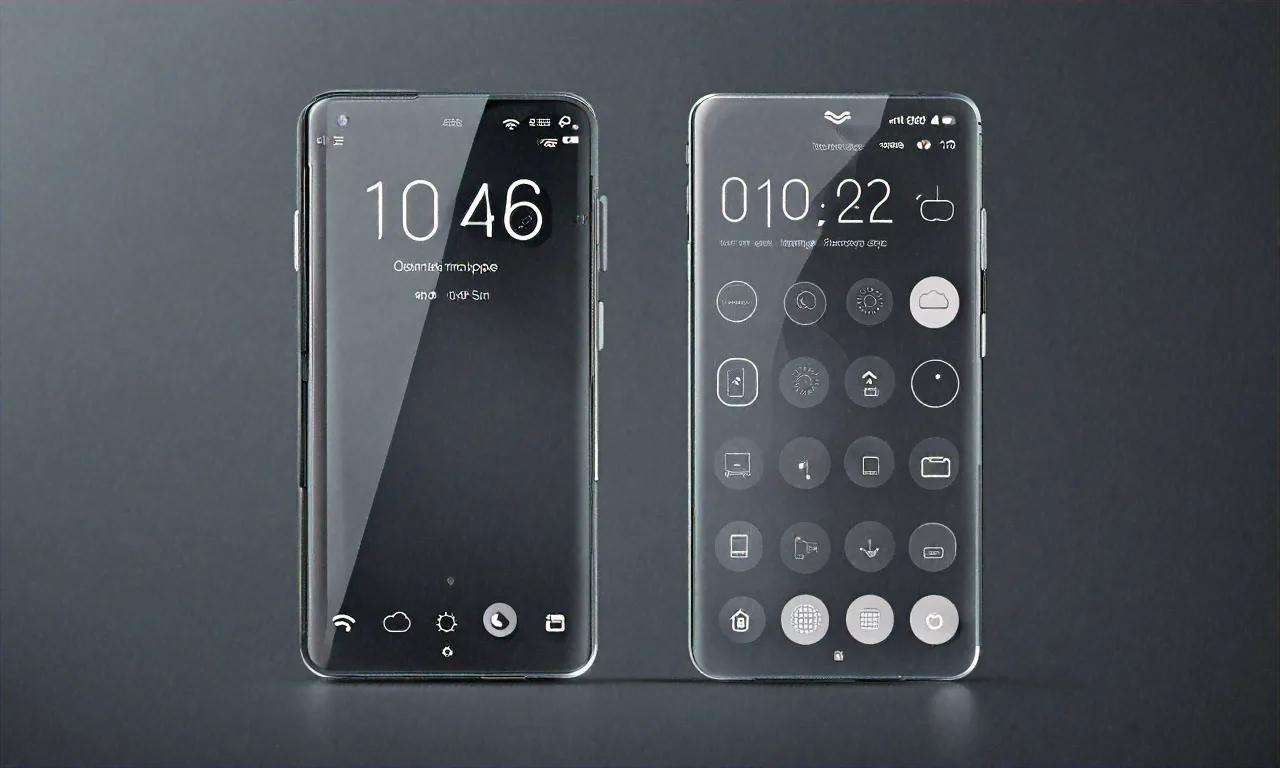
Everyone tells you to buy the phone with the best specs-per-rupee. I've been giving that advice myself for years. And for the Nothing Phone 3, I'm going to suggest something different: maybe specs-per-rupee isn't the only thing that matters.
The OnePlus 13R has a slightly better processor. It charges faster. It costs basically the same money. On a spreadsheet, the OnePlus wins. But I've been using the Nothing Phone 3 for three weeks as my primary phone, and there's something about using it that the spreadsheet doesn't capture. Call it personality, call it design coherence, call it vibes — whatever the word is, Nothing has figured out how to make a phone that feels different from everything else you can buy. For the broader market picture, our best smartphones of 2026 guide puts all the top options side by side.
Whether that's worth your money depends entirely on what you value. Let me walk through everything I noticed in three weeks of daily use.
The Glyph Lights Grew Up
Might as well start here since it's what everyone asks about first.
Previous Nothing phones had LED strips on the back that were... let's say, more novelty than utility. Cool at launch events, forgotten by week two. The Phone 3 changes this. There are now 120 individually addressable micro-LEDs in a more detailed pattern, and Nothing actually thought about what to do with them beyond just blinking when you get a notification.
Progress indicators are the best use case. A timer fills up as a ring of light around the camera module. Uber shows your driver approaching as a growing arc. Downloads show a progress ring. These work when the phone is face-down on a table, which is how most people set their phones down — you glance at the back and know where things stand without picking it up or tapping the screen.
Navigation arrows showed up on a weekend trip and caught me off guard. Phone face-down on the car mount, Google Maps running, and the Glyph shows left/right/arrived indicators. It's subtle and clever in a way I didn't expect from LED lights.
Music visualizer pulses the LEDs with whatever you're playing. Looks great at night, genuinely useless during the day. But at night? Kind of spectacular, not going to lie.
Nothing opened a Glyph Developer Kit for third-party apps. Zomato shows delivery progress, Spotify has a mini visualizer, Timer+ uses the ring as a countdown. Small ecosystem right now, but it's growing. The developer access is what gives me confidence the Glyph won't just stagnate — apps can hook into it, which means new uses can appear without Nothing doing anything.
The bigger question: does the Glyph actually change how you use the phone? After three weeks, I'd say... kind of. The progress indicators are useful multiple times a day. The notification patterns (different contacts trigger different LED combinations) let me know who's calling without flipping the phone. Navigation arrows are handy when they apply. Am I relying on it the way I rely on, say, the fingerprint sensor? No. But I'd notice if it was gone. It crossed the line from gimmick to feature somewhere around week two.
How It's Built
Transparent back is still the signature look. The glass is Gorilla Glass Victus 2 with a micro-etched matte finish that feels premium without being slippery. Aluminum frame has a brushed texture that picks up light in a way I keep noticing. 190 grams — lighter than the OnePlus 13R at 194g and the Pixel 9 at 198g.
Three colors: Dark Grey (transparent internals most visible here), Light Silver (frosted, almost ethereal), and a Community Edition with a red accent around the camera that was co-designed with fans. I had the Dark Grey. It's the one that makes people ask "what phone is that?"
IP68 rating this time, up from the Phone 2's IP54. You can use it in the rain without worrying. That was overdue.
The Screen
6.7-inch LTPO 3 AMOLED. 2780 x 1264 resolution, adaptive 1-120Hz, peaks at 4,500 nits. Dolby Vision and HDR10+ support. 240Hz touch sampling.
I tested outdoor readability specifically during a weekend in Goa — direct sunlight on the beach at 2 PM, reading articles. Perfectly legible. The 4,500 nits is real and it makes a noticeable difference compared to phones in the 2,000-3,000 nit range.
Color accuracy in Natural mode hits about 1.2 Delta E (anything under 2 is imperceptible to most people). Vivid mode pushes saturation for a punchier look — most users will probably prefer this for social media and video. Both profiles are well-tuned.
The fingerprint sensor is ultrasonic now instead of optical. Works reliably with wet and sweaty fingers, which is a genuine improvement over the Phone 2's sensor. Didn't think I'd notice the difference, but after a couple of gym sessions where it unlocked on the first tap instead of the third, I noticed.
Snapdragon 8s Gen 4 Performance
Not the flagship 8 Elite. This is Qualcomm's upper-mid-range chip for 2026 — a step below the top, similar to how the 8s Gen 3 sat between the 8 Gen 3 and the 7+ Gen 3 last year.
| Test | Nothing Phone 3 | OnePlus 13R | Pixel 9 |
|---|---|---|---|
| AnTuTu v10 | 1,520,000 | 1,480,000 | 1,180,000 |
| Geekbench 6 Single | 2,050 | 2,010 | 1,750 |
| Geekbench 6 Multi | 5,800 | 5,650 | 4,300 |
| 3DMark Wild Life Extreme | 3,200 | 3,100 | 2,600 |
Competitive with the OnePlus 13R, well ahead of the Pixel 9. In daily use — launching apps, flipping between six or eight at a time, scrolling through heavy Instagram feeds, navigating with Maps — it's snappy. Didn't encounter stuttering or slow moments during normal phone tasks.
Gaming: Genshin Impact at medium-high held 55-60 fps for the first twenty minutes, dropping to 45-50 after thirty as thermal throttling kicked in. Phone gets warm but not uncomfortable. BGMI at HDR + Extreme locked 60 fps without issues. Nothing's thermal management is conservative — it throttles earlier than the OnePlus 13R to keep surface temperatures lower. Whether you'd rather have sustained performance with more heat or a cooler phone with earlier throttling is personal preference. I preferred Nothing's approach during longer gaming sessions.
Storage: 8GB + 256GB or 12GB + 256GB. No 128GB option, which is the right call in 2026. The 12GB variant gets UFS 4.0 storage while the 8GB uses UFS 3.1. For most people, the 8GB version handles everything fine.
Cameras — The Part That Was Supposed to Be Bad
Previous Nothing phones had cameras that were "fine." Fine gets you through the day but doesn't make you reach for the phone when you see something worth capturing. The Phone 3 is different.
Primary sensor is a 50MP Sony IMX890 with OIS at f/1.88. Ultrawide is a 50MP Samsung JN1 at f/2.2 with a 114-degree field of view. Telephoto is 32MP with 2x optical zoom and OIS. Selfie camera: 32MP with autofocus.
Daylight photos are natural and well-exposed. Nothing resisted the temptation to over-sharpen or crank saturation, which I appreciate — images look like what the scene actually looked like. Dynamic range handles high-contrast situations well: bright sky with a shadowed street below, and the Phone 3 balances both without that artificial HDR look. Detail in textures, foliage, and fabrics is crisp.
Portraits benefit from the 2x telephoto acting as a dedicated portrait lens. Edge detection handles curly hair and complex backgrounds accurately. Bokeh has a natural gradual falloff rather than a harsh blur boundary. Skin tones lean warm, which flatters in Indian lighting conditions.
Night mode surprised me. I expected it to be the weak link, and instead it's... pretty decent. Dark scenes come out with good detail and minimal noise. Street lights don't blow out as aggressively as the Phone 2. That said, the Pixel 9 still produces cleaner night shots with less grain — Google's computational photography advantage is a tough thing to match, and I wouldn't claim Nothing's caught up. But the gap is smaller than I expected.
The ultrawide is one of the better ones at this price point. Edge distortion stays controlled. Detail doesn't fall off as dramatically as typical budget ultrawides.
Video maxes at 4K 30fps with stabilization, plus Dolby Vision HDR recording. Quality is good but not exceptional — stabilization works for walking but struggles with running or heavy movement. No 4K60, which is a miss at this price. OnePlus offers higher video specs for the same money.
| Scenario | Nothing Phone 3 | OnePlus 13R | Pixel 9 |
|---|---|---|---|
| Daylight | Excellent | Excellent | Excellent |
| Portrait | Very Good | Good | Excellent |
| Night Mode | Good | Good | Excellent |
| Ultrawide | Very Good | Good | Good |
| Video Stabilization | Good | Very Good | Excellent |
| Selfie | Very Good | Good | Good |
Nothing OS 3.0
Based on Android 15. Still the clean, near-stock experience that's been Nothing's identity, but with enough custom design work — dot-matrix fonts, monochrome icon packs, custom widgets — that it doesn't feel generic.
What works: performance is buttery smooth with zero bloatware (no pre-installed third-party apps aside from Netflix). RAM management is excellent. Nothing's custom widgets for weather, clock, and system controls look gorgeous. The new Glyph Composer widget lets you design LED patterns from the home screen. Smart Drawer sorts apps into categories using on-device AI — Photography, Finance, Social — and it's surprisingly accurate. Lock screen offers multiple clock styles, Glyph-reactive wallpapers, and album art from whatever's playing.
What doesn't: AI features are basic. "Smart Writing" (text rewording) and "Smart Cleanup" (photo object removal) exist but feel a generation behind Google and Samsung's equivalents. Quick settings panel follows stock Android's layout, which feels like a missed opportunity for a design-forward brand. No desktop mode — Samsung has DeX, Motorola has Ready For, Nothing has nothing.
Update commitment: 4 years of Android updates, 5 years of security patches. Android 19 and security through 2031. Matches Samsung and Google's promises, which is a big step up from the Phone 2's three-year commitment.
Battery and Charging
5,200 mAh, up from the Phone 2's 4,700. In practice:
Screen-on time landed between 7.5 and 8.5 hours with mixed use (social media, YouTube, light gaming, messaging). Standby drain was about 2% overnight with always-on display off, 5% with it on.
Charging: 50W wired goes from flat to full in 48 minutes. 15W wireless if you have a Qi pad handy. No reverse wireless.
The 50W is adequate but not exciting. OnePlus offers 80W at this price, Xiaomi does 120W. Nothing's approach is conservative. That said, 48 minutes to full is perfectly livable — plug it in during your morning routine and you're set.
Sound and Haptics
The X-axis linear motor provides crisp haptics. Keyboard typing has a satisfying "tick" on each press that's genuinely close to the Pixel 9's industry-leading vibration quality. Major upgrade from the Phone 2's mushy motor.
Stereo speakers tuned by Dirac produce surprisingly full sound. Bottom speaker handles the bass, earpiece adds width. Not iPhone or Galaxy S26 level, but better than most phones at this price. Good enough to skip earbuds for casual listening.
No headphone jack. Expected.
Versus the Competition
Nothing Phone 3 vs OnePlus 13R: The most direct comparison. OnePlus has a marginally better chip (SD 8 Gen 3 — real-world difference is minimal), faster charging (80W vs 50W), and OxygenOS packs more features. Nothing wins on design originality, software cleanliness, and the Glyph interface. For a deeper look at how OnePlus compares at the flagship tier, see our OnePlus 13 vs Pixel 10 Pro comparison. If specs and charging speed are your primary criteria, get the OnePlus. If you value design and clean software, Nothing is more compelling.
Nothing Phone 3 vs Pixel 9: Pixel's camera is clearly better — especially night mode, computational processing, and video. Pixel has better AI features (Gemini, call screening, Magic Eraser). But the Phone 3 has a brighter display, better benchmarks, and costs Rs 5,000-8,000 less in India. Camera as top priority? Get the Pixel. More balanced package at a lower price? Nothing holds its own.
Pricing
| Variant | Price |
|---|---|
| 8 GB + 256 GB | Rs 34,999 |
| 12 GB + 256 GB | Rs 38,999 |
Flipkart exclusive. Launch offers included Rs 3,000 off with HDFC Bank cards and a free Nothing Ear (3) with the 12GB variant (limited time).
At Rs 34,999 it sits right next to the OnePlus 13R (Rs 33,999 for 8GB) and undercuts the Pixel 9 (Rs 42,999). Whether the Rs 1,000 premium over OnePlus is worth it depends on how much the design and Glyph matter to you. For some buyers that's an easy yes. For others who just want the fastest phone per rupee, it's an easy no.
Who Is This Phone For
After three weeks, I've got a pretty clear picture of the buyer this phone clicks with.
You're tired of phones that look identical. Every glass slab from Samsung to Xiaomi is a variation on the same theme. Nothing is the only Android brand offering genuine visual differentiation — the Glyph, the transparent back, the monochrome aesthetic. Divisive? Sure. But unmistakably its own thing.
You want clean software without feature overload. Nothing OS 3.0 is what stock Android could feel like if Google cared more about design. If One UI feels heavy and HyperOS feels cluttered, this is your answer.
You don't need the absolute best camera. The Phone 3's cameras are very good but they're not Pixel or Galaxy flagship tier. If photography is the main thing you do with your phone, look at the Pixel 9 instead.
You appreciate good design enough to pay a small premium for it. The OnePlus 13R gives more raw performance per rupee. But Nothing's hardware and software feel more intentionally crafted — like a single team thought about how everything fits together.
A Small Thing I Keep Thinking About
Last week I was at a coffee shop and set my phone face-down while ordering. A delivery notification came in and the Glyph pulsed briefly — just enough to catch my eye, not enough to distract anyone else at the table. I looked at the light pattern, recognized it was Swiggy, and knew my food was on the way without touching the phone.
It's a tiny moment. Barely worth mentioning, really. But it's the kind of tiny moment that a phone designed by people who care about how you interact with technology — not just what it can do — manages to create. Most phones would have buzzed in my pocket or flashed a screen I wasn't looking at. The Nothing Phone 3 found a third option.
Is that worth Rs 35,000? Depends on what you're buying. A phone, or an experience. The Nothing Phone 3 might be the first Android phone at this price that's genuinely both.
8.2/10
Anurag Sharma
Founder & Editor
Founder and editor of Tech Tips India. Writes hands-on tech guides, reviews, and explainers focused on the Indian context — real rupee pricing, local availability, and practical setups tested before publishing.
Stay Ahead in Tech
Get the latest tech news, tutorials, and reviews delivered straight to your inbox every week.
No spam ever. Unsubscribe anytime.
Comments (0)
Leave a Comment
All comments are moderated before appearing. Please be respectful and follow our community guidelines.
Related Articles
Electric vs Petrol Cars in India: Cost Compared
Electric vs petrol car cost comparison in India covering purchase price, charging, maintenance, insurance, and government subsidies.
MacBook Air M4 Review: The Best Laptop for Most People?
A detailed review of the MacBook Air M4 covering performance, battery life, display, developer workflow, and India pricing with upgrade recommendations.
Best Wireless Earbuds in India 2026: All Budgets
A detailed guide to the best wireless earbuds available in India across budget, mid-range, and premium segments with real-world comparisons.