Best Smartwatches in India for 2026: From Budget to Premium
A guide to the best smartwatches available in India across every price range, covering health features, battery life, apps, and value for money.
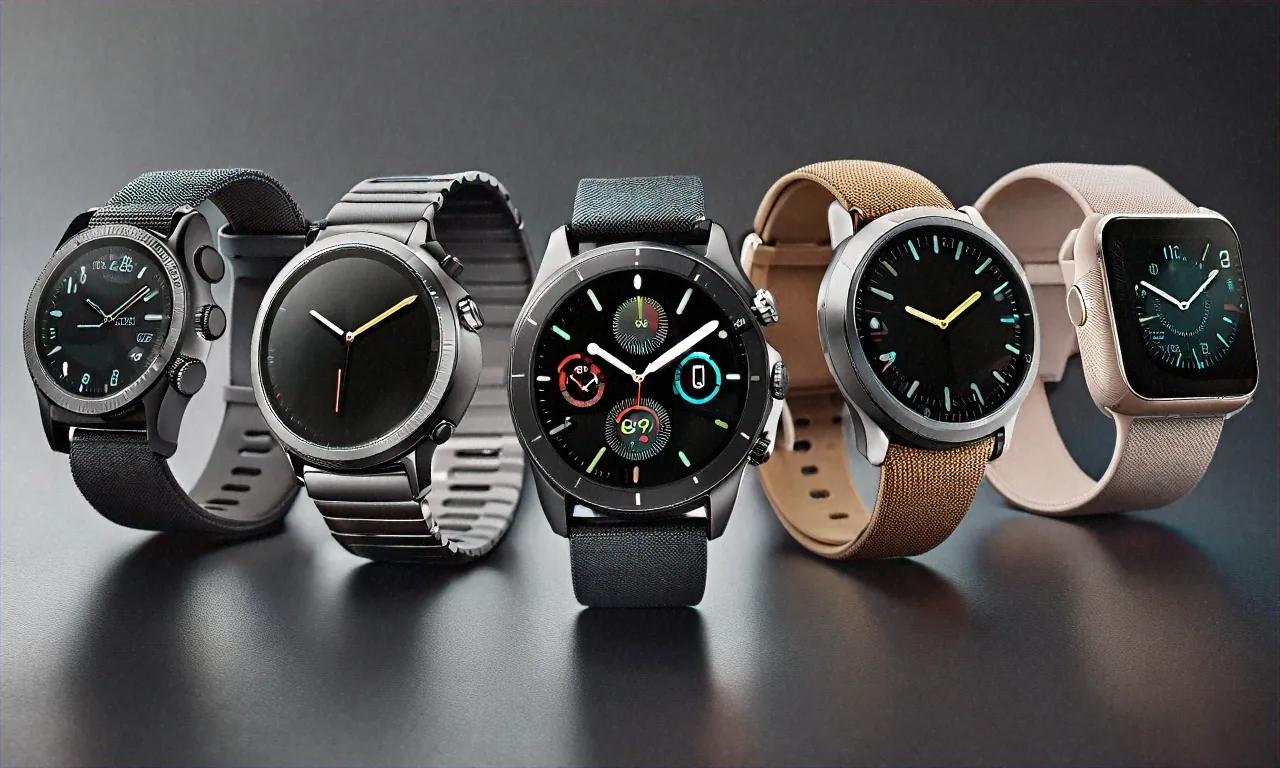
Saturday morning, 7 AM, standing in a Croma store in Bangalore. Shelf after shelf of smartwatches — boAt, Noise, Fire-Boltt, Samsung, Apple, Amazfit, a couple I'd never heard of. The sales guy points at whatever has the highest commission this week. My friend, who asked me to come help him pick one, looks at me like I'm supposed to have the answer ready.
I didn't. Not immediately. Because the Indian smartwatch market in 2026 is genuinely confusing. Two years ago it was easier — the cheap ones were trash and the expensive ones were good, end of story. That's not true anymore. Indian brands have gotten noticeably better, international brands have adjusted pricing for India, and you can find a legitimately decent watch at almost every price point from Rs 2,500 to Rs 50,000.
The problem is telling the decent ones from the garbage when they all list the same specs: AMOLED display, heart rate, SpO2, Bluetooth calling. I've tested twelve watches over the past three months, wearing each one for at least a week as my only wrist device. The same overwhelming choice applies to smartphones and wireless earbuds — check those guides if you're building a full setup.
Here's what I'd actually recommend at each budget, and more importantly, why.
The Quick Version
If you're in a hurry:
| Watch | Price (Rs) | Display | Battery | OS | Health Features | Best For |
|---|---|---|---|---|---|---|
| Apple Watch Series 11 | 49,900 | 1.9" OLED | 36 hrs | watchOS 12 | ECG, SpO2, Temp | iPhone users |
| Samsung Galaxy Watch 7 | 29,999 | 1.5" AMOLED | 40 hrs | Wear OS 5 | BIA, ECG, BP | Android premium |
| Pixel Watch 3 | 32,999 | 1.4" AMOLED | 36 hrs | Wear OS 5 | ECG, SpO2, Skin Temp | Pixel/Fitbit users |
| Amazfit GTR 5 | 14,999 | 1.43" AMOLED | 14 days | Zepp OS 4 | SpO2, Stress, HR | Battery life |
| Galaxy Watch FE | 17,999 | 1.2" AMOLED | 30 hrs | Wear OS 4 | HR, SpO2, BIA | Budget Samsung |
| boAt Lunar Pro | 4,999 | 1.45" AMOLED | 7 days | Proprietary | HR, SpO2, Stress | Budget BT calls |
| Noise ColorFit Ultra 3 | 3,999 | 1.96" AMOLED | 7 days | Proprietary | HR, SpO2, Stress | Budget large display |
| Fire-Boltt Phoenix Ultra | 2,499 | 1.43" AMOLED | 5 days | Proprietary | HR, SpO2 | Entry-level |
Now for the details.
Premium Tier — Rs 25,000 and Up
Apple Watch Series 11
Rs 49,900 for the 41mm GPS model. Goes up to Rs 59,900 with cellular.
Still the best smartwatch you can buy if you own an iPhone. The Series 11 doesn't reinvent anything — it just refines what was already good. Display hits 3,000 nits now, which means reading it in harsh Indian sunlight isn't a problem. The S11 chip is snappier. Apps open instantly.
Where Apple separates from everyone else is health tracking. The ECG app works reliably for detecting atrial fibrillation. Blood oxygen runs continuously in the background. Temperature sensor tracks wrist temp variations, useful for cycle tracking and spotting fevers early. Crash detection and fall detection have documented cases of saving lives globally.
App ecosystem is miles ahead. Thousands of watch-specific apps on the App Store. Apple Pay works wherever NFC is accepted in India. Siri handles hands-free control. Workout tracking covers 100+ exercise types with accuracy that's hard to fault.
The catches: you need an iPhone. Android users, skip this one entirely — it won't pair with your phone. Battery life of 36 hours means you're charging daily. For most people that's fine (charge during your morning shower), but if daily charging bothers you, the Amazfit GTR 5 down below is what you want.
Samsung Galaxy Watch 7
Rs 29,999 for 40mm, Rs 33,999 for 44mm. Best option for most Android users.
Runs Wear OS 5 with Samsung's One UI overlay, which means you get Google Play Store access for apps while keeping Samsung's health features. Body composition analysis is the standout — hold two fingers against the side buttons for 15 seconds and get a breakdown of body fat, muscle mass, body water, and BMI. I tested it against a professional BIA scale and results were within 3-4% accuracy. Impressive for something on your wrist.
ECG and blood pressure monitoring work in India through the Samsung Health Monitor app. Blood pressure needs initial calibration with a regular cuff, but it's handy for tracking trends afterward.
Battery is about 40 hours with always-on display — you'll still charge daily, but you get through a full day and night with room to spare. The 44mm lasts a bit longer than the 40mm.
One frustrating thing: ECG and blood pressure features are locked to Samsung Galaxy phones. If you're on a Pixel or OnePlus, you get the watch but not all its features. Worth knowing before you buy.
Google Pixel Watch 3
Rs 32,999 for 41mm, Rs 38,999 for 45mm. Google's most refined wearable so far.
Circular design, bezels that are finally reasonable, and a software experience that feels polished in a way previous Pixel Watches didn't quite achieve. Fitbit's health algorithms — built up over a decade — are baked in, and they're genuinely good. The daily Readiness Score tells you whether your body is primed for an intense workout or needs rest, based on sleep quality, heart rate variability, and recent activity. Sleep tracking is the best on any smartwatch, with detailed stage analysis and a Sleep Profile that shows patterns over time.
Google Maps with haptic turn-by-turn on your wrist is genuinely useful when walking or cycling. Google Wallet does NFC payments. Assistant responds well.
Battery: about 36 hours, similar to Apple. Daily charging required. Always-on display drops it further. Not great.
Fits best if you prioritize sleep and stress tracking, use Fitbit Premium (six months free with the watch), or are already deep in the Google ecosystem.
Mid-Range — Rs 10,000 to Rs 25,000
Amazfit GTR 5
Rs 14,999. The battery life champion and it's not even close.
Fourteen days on a single charge with normal use — heart rate monitoring, notifications, a daily workout, sleep tracking. With always-on display and daily GPS workouts, you're still looking at seven to eight days. Either way, you charge this thing once a week, maybe less. After wearing Apple and Samsung watches that die every night, the GTR 5 felt like freedom.
The 1.43-inch AMOLED is sharp at 326 PPI and looks premium beyond the price. Aluminum alloy case, comfortable silicone band. On the larger side at 46mm — smaller wrists might prefer the GTR 5 Mini variant.
Health tracking is solid though a step behind the Galaxy Watch and Pixel Watch in precision. Heart rate, SpO2, stress, sleep — all present. Sport modes go past 150 types with auto-detection for walking, running, cycling.
Where it falls short: Zepp OS 4 is smooth but limited. No Google Maps, no Spotify, no real third-party app ecosystem. You get weather, timers, music control, and basics. For a lot of people that's perfectly fine — they want a watch that tracks health, shows notifications, and doesn't need charging every day. The GTR 5 does all three without fuss.
Samsung Galaxy Watch FE
Rs 17,999. The entry point into Wear OS app territory.
You get the Play Store here — Google Maps, Spotify, thousands of apps. That alone separates this from every Indian brand smartwatch. The 1.2-inch AMOLED is smaller than the competition but sharp and responsive.
Health tracking includes heart rate, SpO2, and body composition. No ECG or blood pressure at this price (those are saved for the Galaxy Watch 7). Sleep tracking is competent. Workout coverage handles all the major exercises.
Battery runs about 30 hours, so daily charging. The Exynos W920 inside is a generation old but handles basics without noticeable lag. Aluminum case and Gorilla Glass DX+ protection. A sensible buy if you want a "real" smartwatch with apps but can't stretch to the Galaxy Watch 7.
Budget — Under Rs 10,000
boAt Lunar Pro
Rs 4,999. The default budget option if you want Bluetooth calling.
boAt has become the go-to brand for budget wearables in India, and the Lunar Pro is their strongest current offering. 1.45-inch AMOLED, metal frame with a rotating crown — feels more expensive than it costs.
Bluetooth calling works: make and receive calls from your wrist when your phone is connected. Speaker and mic quality are adequate for quick calls, though you wouldn't want to hold a long conversation on it. For answering a call when your phone's in the other room, it does the job.
Heart rate accuracy is within 5-8 BPM of a chest strap during exercise. Acceptable for casual tracking, not precise enough for serious training. Battery lasts five to seven days depending on how much you use calling. No third-party apps, no NFC, no built-in GPS, no swim-proofing — reasonable omissions at this price.
Noise ColorFit Ultra 3
Rs 3,999. Biggest screen in the budget tier by a wide margin.
That 1.96-inch AMOLED is larger than watches costing ten times as much. Display quality is surprisingly decent — vivid colors, adequate brightness. Reading notifications on this thing is comfortable. No squinting.
Build is mostly plastic but doesn't feel cheap. Silicone strap works for all-day wear. The NoiseFit app does its job without excitement — hundreds of watch faces, basic health data. Heart rate, SpO2, sleep, stress tracking are all present. Bluetooth calling supported with decent speaker quality. Battery runs five to seven days. IP68 water resistance (splash-proof, not for swimming).
Fire-Boltt Phoenix Ultra
Rs 2,499. The starter watch.
A 1.43-inch AMOLED at this price is something that wasn't possible two years ago — you'd have gotten a dim LCD. Heart rate, SpO2, sleep tracking, Bluetooth calling are all here.
Trade-offs are obvious: the chipset is sluggish with noticeable UI lag when swiping, health accuracy is the weakest I tested, and it's all plastic. Battery is four to five days. But for someone who's never worn a smartwatch and wants to figure out whether they'll actually use the features, it's a low-risk way to find out. If you end up using it daily, upgrade later with a clearer sense of what matters to you.
How Accurate Is the Health Tracking, Really?
Not all health sensors are equal, even when the spec sheets say the same things.
Heart rate: I tested all watches against a chest strap during runs and strength training. Apple Watch was within 1-2 BPM. Samsung and Pixel were within 2-3 BPM. Amazfit was within 3-5 BPM. Budget watches ranged from 5-10 BPM off, sometimes more during high-intensity movement. For casual tracking, even the budget watches are useful. For training with heart rate zones, spend at least Rs 15,000.
Sleep tracking: Pixel Watch 3 and Apple Watch are the most accurate for detecting sleep stages (light, deep, REM). Amazfit is surprisingly close behind — often matching the premium watches on total sleep duration. Budget watches get the rough timing right (when you fell asleep, when you woke) but their stage analysis is mostly guesswork.
SpO2: Apple Watch and Samsung have the most validated sensors. Budget watches gave me readings ranging from 92% to 99% within five minutes on the same wrist without moving. Use budget SpO2 as a general trend indicator, not a precise measurement. For actual health concerns about blood oxygen, see a doctor with a medical-grade oximeter.
ECG: Only three watches here support it — Apple, Samsung Galaxy Watch 7, and Pixel Watch 3. Records a single-lead ECG by touching your finger to the crown. Can flag atrial fibrillation. Useful for screening, not for diagnosis. If it flags something, see a cardiologist. Don't make medical decisions based on wrist electronics.
Apps: Where Premium Pulls Away
This is the real divide. Apple Watch, Galaxy Watch, and Pixel Watch run full operating systems with app stores. Install Spotify for offline music on a run. Use Google Maps for walking directions. Check WhatsApp messages without pulling out your phone. Pay for things with NFC.
Budget watches from boAt, Noise, and Fire-Boltt run proprietary systems with no third-party apps. Pre-installed basics only: weather, timer, alarm, music remote. For a lot of buyers, that's enough. But if you want to leave your phone at home during a jog and still stream music, track your GPS route, and tap to pay for a juice afterward — you need a premium watch.
| Watch | Offline music | Streaming apps |
|---|---|---|
| Apple Watch | 32GB+ storage | Apple Music, Spotify |
| Galaxy Watch 7 | 16GB storage | Spotify, YouTube Music |
| Pixel Watch 3 | 32GB storage | YouTube Music, Spotify |
| Amazfit GTR 5 | Limited | No streaming apps |
| Budget watches | None | Music control only |
Compatibility — Check This Before Buying
Matters more than people realize:
Apple Watch: iPhone only. No exceptions. Won't work with Android at all. Samsung Galaxy Watch 7: works with any Android phone (Android 11+), but some features are locked to Samsung phones. Pixel Watch 3: works with any Android phone (Android 9+), best experience with Pixel. Amazfit GTR 5: works with both Android and iOS through the Zepp app. Budget watches: work with both platforms via their own apps. Platform-agnostic since they just use Bluetooth.
If you switch between Android and iOS, the Amazfit is your safest bet in the mid-range.
Battery — What I Actually Got
Marketing numbers versus reality, based on my daily use (notifications on, continuous heart rate, no always-on display unless noted):
| Watch | Claimed | My usage | With AOD on |
|---|---|---|---|
| Apple Watch Series 11 | 36 hrs | 30-34 hrs | 22-26 hrs |
| Galaxy Watch 7 | 40 hrs | 34-38 hrs | 24-28 hrs |
| Pixel Watch 3 | 36 hrs | 28-32 hrs | 20-24 hrs |
| Amazfit GTR 5 | 14 days | 11-13 days | 6-8 days |
| Galaxy Watch FE | 30 hrs | 26-30 hrs | 18-22 hrs |
| boAt Lunar Pro | 10 days | 5-7 days | N/A |
| Noise ColorFit Ultra 3 | 7 days | 5-6 days | N/A |
| Fire-Boltt Phoenix Ultra | 7 days | 4-5 days | N/A |
The Amazfit GTR 5 lives in a different universe. If battery anxiety is the thing that's stopped you from getting a smartwatch, start there.
The One Thing to Do Next
Before you buy anything, answer one question: what phone do you carry? That narrows it fast. iPhone means Apple Watch, full stop. Samsung Galaxy means Galaxy Watch 7 or FE. Other Android means you've got options — Pixel Watch, Galaxy Watch (with feature limitations), or Amazfit for battery freedom. And if your budget is under Rs 5,000, grab the Noise ColorFit Ultra 3 for the screen size or the boAt Lunar Pro for the Bluetooth calling, wear it for a month, and figure out which features you actually use before spending more.
Whichever watch you pick, wear it consistently. Health data gets valuable over time — tracking resting heart rate trends, sleep patterns, and activity levels across weeks and months tells you a story about your health that one-off readings never will.
Anurag Sharma
Founder & Editor
Founder and editor of Tech Tips India. Writes hands-on tech guides, reviews, and explainers focused on the Indian context — real rupee pricing, local availability, and practical setups tested before publishing.
Stay Ahead in Tech
Get the latest tech news, tutorials, and reviews delivered straight to your inbox every week.
No spam ever. Unsubscribe anytime.
Comments (0)
Leave a Comment
All comments are moderated before appearing. Please be respectful and follow our community guidelines.
Related Articles
Home NAS Setup in India: Complete Storage Guide
Build a home NAS in India: Synology vs QNAP vs DIY, RAID configurations, TrueNAS vs OpenMediaVault, and full budget breakdown.
Best Home Projectors in India: Complete Guide
A complete guide to the best home projectors in India across budget, mid-range, and premium segments, with tips on throw distance, lumens, and room setup.
iPad Pro M4 vs Samsung Tab S10 Ultra Compared
iPad Pro M4 vs Samsung Tab S10 Ultra: display, performance, stylus, multitasking, apps, and value for money in India.